
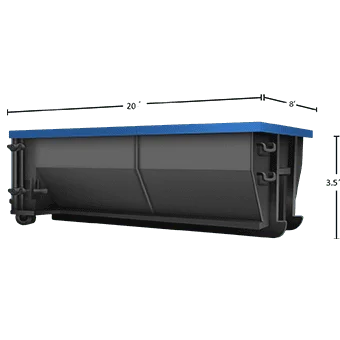
Select for the load and working space
Describe the material types and likely amount to the provider. Ask about the proposed container’s actual size, loading limits and permitted contents rather than choosing by a photograph. Consider how people will carry or load material and whether the offered door needs additional space. Heavy debris may require a different loading arrangement from bulky but lighter household items.
Review the complete vehicle approach
Have the supplier assess the planned position and approach, including relevant overhead or ground constraints. Keep other vehicles and deliveries out of the agreed space. Obtain the property operator’s permission and address any applicable public-space requirements before placing equipment beyond the authorised property area. Do not use the container as an informal traffic barrier or assume it can be shifted later by a site machine.
Keep the accepted load under control
Tell contractors and helpers what the supplier has accepted and how to follow the loading instructions. Prevent unrelated neighbours or other projects from adding materials without review. If the contents change, contact the provider before treating the original collection description as still accurate. The customer should not conceal an unexpected or unaccepted item in the load.
Plan the return visit as carefully as delivery
Ask how collection or an exchange is requested and what the provider needs left clear. Maintain the access route through the end of the hire, even if the surrounding project is almost finished. Check duration and changed-service terms in the actual quote. Equipment availability, eligible hauling and material acceptance are determined for the specific request.
Questions before you book
Is unused space permission to add another project’s waste?
No. Ask the responsible customer and provider to review the extra material and any effect on the accepted rental scope.